
Mono vs 4-Channel vs 5-Channel Car Amps, Explained
Amps come in different channel counts because they do different jobs. Pick the wrong one and you either waste money or end up adding a second amp later. Here is how to choose.
What a channel is
Each channel is one output that powers one speaker, or one group of speakers wired together. A 4-channel amp can power four door speakers. A mono amp has one channel, built for subwoofers.
Many amps can be bridged, which combines two channels into one stronger output. That is how people run a small sub off two channels of a 4-channel amp. It works, but a dedicated sub amp usually does the job better.
Mono amps: built for subwoofers
A mono, or monoblock, amp is designed to push a lot of power into a low impedance load, like 2 ohms or 1 ohm. That is what subwoofers want. Mono amps also have a low-pass filter and often a bass boost and subsonic filter.
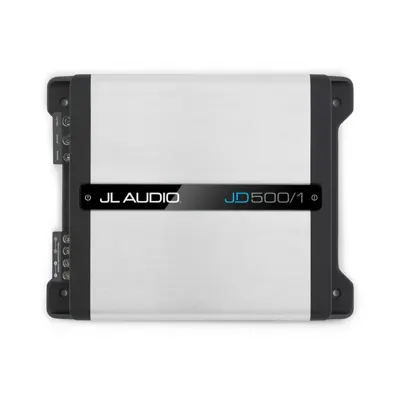
The JL Audio JD500/1 is a good example. It is compact and efficient, with a remote bass knob you can mount up front. Match the amp's rated RMS power at your sub's final impedance, not the peak number on the box.
4-channel amps: for your speakers
A 4-channel amp powers front and rear speakers, or front components with the rear channels bridged to something else. Each channel has a crossover, so you can keep the deep bass out of your door speakers and let them play cleaner and louder.
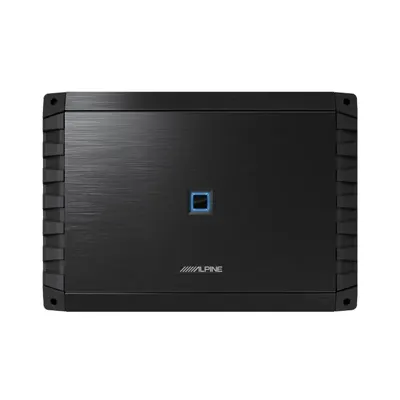
The Alpine S2-A36F is a compact 4-channel that fits in tight spots, which matters in newer cars with little room behind the dash or under seats.
5-channel amps: one amp for everything
A 5-channel amp is four speaker channels plus a mono sub channel on one chassis. You run one power wire, one ground and one remote wire. That saves space and install labor.
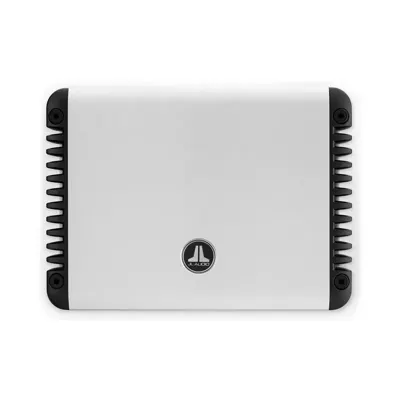
The Alpine S2-A55V and the JL Audio HD900/5 both do this. The HD900/5 gives more headroom for people who want a serious system in a small footprint. The tradeoff with any 5-channel is that the sub channel is shared with the rest of the amp's power supply, so if you want huge bass, two separate amps may be better.
RMS, ohms and wiring
Ignore peak watts. RMS is the continuous power the amp really makes. Check it at the impedance you will run. An amp might make twice the power at 2 ohms that it makes at 4 ohms.
The power wire gauge, fuse and ground matter just as much as the amp. A weak ground causes heat, noise and amps that shut off. We use proper wiring kits and do it in our own bay, and gear bought and installed here has lifetime labor plus the manufacturer warranty. Tell us your speakers and sub and we will match the amp.
In the shop
Gear from this post

 Buy Now, Pay Later
Alpine S2-A55V 5-Channel Amplifier
- 4 channel + mono
- 60W RMS x4 + 300W RMS x1 @ 2 ohm
- 40W RMS x4 + 200W RMS x1 @ 4 ohm
$499.95
 Buy Now, Pay Later
Fastest way to a price
Text us what you drive or what you are building
Car audio: send the year, make, and model, and Tony gets back to you with what fits and a price. DJ gear: tell Joe the room or the party, like "backyard party, 150 people" or "starter DJ setup," and he will put a setup together.
More from the blog
Viper Alarm and Remote Start: 1-Way vs 2-Way vs Smartphone
Viper is the one alarm and remote start brand we install. The big choice is how the remote talks to your car. And before we quote remote start, we need to know about your key.
Read itSealed vs Ported vs Loaded Enclosures: Picking a Sub Box and Size
The box matters as much as the sub. The same woofer can sound tight and punchy in one enclosure and loud and boomy in another. Here is what each type does, and how we help people pick a size.
Read itSpeakers, Subwoofer or Amp: Where to Start on a Budget Upgrade
Most people come in with a budget and one question: what do I buy first? The honest answer depends on what bugs you about your system right now. Here is how we walk people through it.
Read itQuestions
Can a 4-channel amp run a subwoofer?
Yes, by bridging two channels to a small sub. It works for modest bass. For real output, a mono amp or a 5-channel amp is the better tool.
Do I need a new battery or alternator?
Most mild to medium systems run fine on the stock charging system. Big sub setups may need upgrades. We look at your total power before we install.