
Speakers, Subwoofer or Amp: Where to Start on a Budget Upgrade
Most people come in with a budget and one question: what do I buy first? The honest answer depends on what bugs you about your system right now. Here is how we walk people through it.
Figure out what you actually want to fix
Stand in your car with a song you know well. If it sounds muddy, harsh, or distorts when you turn it up, the problem is usually the factory speakers. If it sounds clean but has no low end, you are missing bass. If it sounds fine but just is not loud enough, you need power.
Each problem has a different fix. Buying a subwoofer will not fix blown or paper-cone door speakers. Buying speakers will not give you the bass you feel in your chest.
Speakers: the best first step for clarity
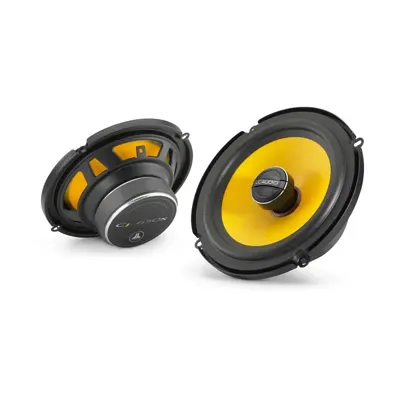
Factory speakers are built cheap. Swapping them for something like the JL Audio C1-650x or Kicker 46CSC654 coaxials gets you clearer vocals and cleaner highs right away, even on the factory radio.
Aftermarket speakers are more efficient and handle more power, so they play louder with less distortion. Tell us the year, make and model and we will check your speaker sizes and what mounting adapters you need. Coaxials are the simple swap. Component sets with separate tweeters sound better but take more work to install.
Subwoofer: the fastest way to add bass
Door speakers are too small to make real low bass. A subwoofer handles everything below about 80 Hz, which also takes load off your doors so they sound cleaner.
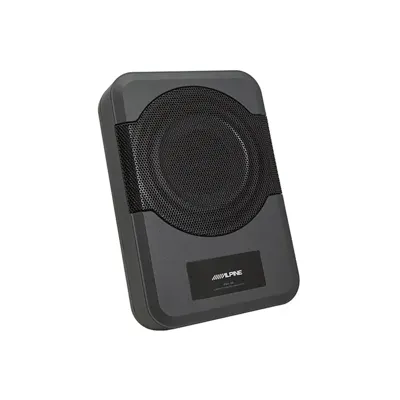
If you do not want to give up trunk space, a compact powered sub like the Alpine PWE-S8 fits under many seats and has its own amp built in. It can take a signal straight from the factory speaker wires. It will not shake the block, but it fills in the bottom end that most cars are missing.
Amplifier: the upgrade that makes the others shine
A factory radio puts out maybe 15 to 20 watts of real power per channel. Good speakers want more. A 4-channel amp like the JL Audio JD400/4 gives each speaker clean power so they can play loud without clipping.
We usually suggest the amp second or third, once you have speakers worth powering. If you already know you want the full system, plan for it now. Running the power wire once saves labor later.
Our usual order, and why
For most budgets we suggest this: front speakers first, then a sub, then an amp to power it all. Some people jump straight to a sub and amp because bass is what they care about. That is fine too. The point is to spend money where you will hear it.
Come by 8696 Atlantic Ave in South Gate and Tony can listen to your car with you. Everything we sell and install gets lifetime labor plus the manufacturer warranty. Prices are listed in our online shop. Call to confirm stock.
In the shop
Gear from this post

 Buy Now, Pay Later

Fastest way to a price
Text us what you drive or what you are building
Car audio: send the year, make, and model, and Tony gets back to you with what fits and a price. DJ gear: tell Joe the room or the party, like "backyard party, 150 people" or "starter DJ setup," and he will put a setup together.
More from the blog
Viper Alarm and Remote Start: 1-Way vs 2-Way vs Smartphone
Viper is the one alarm and remote start brand we install. The big choice is how the remote talks to your car. And before we quote remote start, we need to know about your key.
Read itMono vs 4-Channel vs 5-Channel Car Amps, Explained
Amps come in different channel counts because they do different jobs. Pick the wrong one and you either waste money or end up adding a second amp later. Here is how to choose.
Read itSealed vs Ported vs Loaded Enclosures: Picking a Sub Box and Size
The box matters as much as the sub. The same woofer can sound tight and punchy in one enclosure and loud and boomy in another. Here is what each type does, and how we help people pick a size.
Read itQuestions
Can I keep my factory radio?
Yes. New speakers work on a factory radio, and powered subs and many amps can take a speaker-level signal. Some cars need a line output converter or interface, which we check by year, make and model.
Do new speakers need an amp?
No, most will sound better than stock on factory power. An amp lets them play louder and cleaner, so it is a good second step.